Sunday, December 2, 2012

Dignity restored?

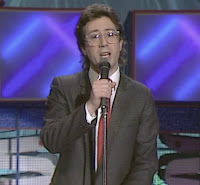
Many years ago, when he was a stand-up comedian and not creating musicals about Queen, Ben Elton performed a brilliant routine about our small-mindedness when travelling on public transport.

In particular, he drew attention to how we become utter gits when trying to avoid spending a train journey sat next to anyone, and especially anyone undesirable, you know, moron with tinny music seeping from his headphones, musty old person chain-sucking Worthers Originals, any member of parliament.

Thus, Elton surmised, we wait at the platform gate with "Double seat, double seat, gotta get a double seat," riffing away in our heads because, let's face it - when it is clearly better to arrive than to travel, because the latter is usually purgatory - having that single space next to you on a train is public transport nirvana.

When sharing your travels with others, space - and especially personal space - is a premium. Like prisoners sharing overcrowded cells, any square inch you can call your own is a square inch of dignity maintained. This - and Elton's 'Double Seat' bit - reared up in my consciousness this week when European budget air travel pioneer easyJet announced that it was "phasing in" allocated seating. In other words, phasing out the dignity-stripping experience of you, your travelling companions and the little luggage you can take on board, legging it across a rain-strafed apron to be up the plane steps to bag yourself a window seat or a row of three.

Like Elton's granny-bashing charge to acquire dual-perch rail comfort, the queue for an unallocated seat with airlines like easyJet brings out the very worst in people. Everyone is considered an adversary, no matter how benign their appearance. You stand there in the queue, shuffling inch-by-inch as it hunches closer to the thin strip of elasticated tape that is the only thing keeping you herded in like sheep, waiting for your boarding group to move.

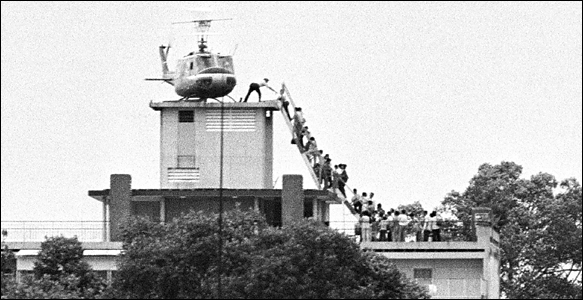
If you've paid for 'Speedy Boarding', you smugly look upon those without, knowing that your 50 metre dash to the aircraft door will reward you with an entire jet plane to choose your seat from. You momentarily think of those poor suckers in their 'ordinary' groups who'll just have to take their chances like refugees fleeing a war-torn country. Yes, I'm not proud, but I, too, have compared those passengers in the final boarding group to those desperate Vietnamese trying to board the last American Huey out of Saigon.

When the airport's most powerful person - the airline employee whose swipe card opens the departure gate exit - finally declares its time to go, normally decent people are unleashed on each other in feral competition. You couldn't imagine Cary Grant traveling this way.

So, following a trial early this year, easyJet has decided to join the grown-ups of air travel and is introducing allocated seating. This, trills their press release, "because passenger research showed that the boarding process could be a source of stress for some customers and in some case,  a barrier to them flying with easyJet." No shit, Sherlock.

"Offering allocated seating on all of our flights is the single, biggest change the airline has undertaken in its history and an example of easyJet trying to do all it can to make travel easy and affordable for our passengers," explained the airline's UK director, Paul Simmons, stating that passengers had told them  that allocated seating "was important to them", presumably because that's how it has worked throughout the modern history of commercial aviation, where you would at least be offered "window or isle", and in the bad old days of flying like a beagle in a perfume laboratory, "smoking or non-smoking?".

I know it's naughty of me to chide easyJet alone: flying Southwest Airlines in America - the airline on whose business model was largely copied by easyJet and the other low-cost carriers - is an exercise in tactical gamesmanship that wouldn't go amiss on the sports field.

As someone who used to fly Southwest frequently out of Silicon Valley's gateway airport, San Jose, I got to recognise the lengths fellow passengers went to ensure they were in 'Boarding Group A', and avoid the badge of condemnation that was 'Boarding Group D'.

There was a technique to getting into Group A, but it required dedication. Getting to the gate by 6.30am for a 7.30 flight to San Diego was rarely enough when you'd arrive to discover a small troop of hardened road warriors camped out in front of the desk, having been their since 3am the day before, as if queuing outside the Apple store for the latest iPhone. Madness. Just to get a window seat.

Budget air travel may have brought us closer the destination, but certainly not the experience. In giving us affordable access to exotic city destinations, or in Ryanair's case, airports 100km from exotic city destinations, our inner gits have been unleashed cheaply on the world.

This is a far cry from the era when jetting off for a weekend in Biarritz meant wearing a suit and smoking a pipe while stewardesses - as they could be called then - served martinis at 30,000 feet. Now, you have to be dressed for hand-to-hand combat at the gate.

That said, 9/11 took much of the blazers-and-pearls glamour out of air travel. In America, where prior to that atrocity getting on and off planes was somewhat akin to catching a bus, flying by plane became a shoe-removing, belt-undoing, strip-searching ordeal, replicated everywhere else. Before you'd even started struggling with that packet of in-flight nibbles, you were exhausted by the sheer D-Day landing craft crapshoot of getting on to the plane itself.

While the nightmare of airport security may be something we all have to endure - regardless of the class of travel - the notion of elitism between travel classes has never been a major problem.

However, the idea that, by paying an extra £7.50 for easyJet's former Speedy Boarding option gives you a decidedly unegalitarian edge over your fellow passengers, who will sit in the same seats, with the same class of service, and the same menu of extortionately-priced sandwiches and soft drinks, makes it all the more absurd.

I made it a personal policy not to fly with the budget airlines some time ago. For a start, I discovered their savings were rarely that. Once you add up all the extras, fees and spurious charges, you more or less pay the same with a 'scheduled' carrier as with a low-cost flyer. And why should you have to be put through the grief of paying for your ticket, paying extra for your boarding card, extra for a bag slightly larger than a pencil case, a 400% mark-up on refreshments? It doesn't make much sense at all.

However, easyJet's abandonment of the free-for-all hasn't been at the expense of extra charges. You will still be charged £3 if you want a specific seat, £12 for a seat in the front row or £8 if you want sit in rows 2 to 5. Bizarrely, if your preference is an exit row, which will have a little more knee room than the rest of the plane, easyJet will take £12 off you. It's worth noting that on most easyJet flights - which operate Airbus planes - the mid-plane exits are over the wings. Which are also the planes fuel tanks. Not that ideal a location in the event of a crash. Just sayin'.

Ryanair, the market leaders in finding new ways to screw money out of the passenger, have also introduced preference-paid seating. However, in charging £10 for an exit row seat, reports started appearing that their aircraft were taking off without anyone sat next to an emergency exit, a legal requirement under many aviation regulators - and which prompted the Irish Aviation Authority to investigate.

Still, easyJet maintain that it's us, this is all about. "This is an example of easyJet trying to do all it can to make travel easy and affordable for our passengers," said Carolyn McCall, easyJet's chief executive.

"Our customers asked us to trial allocated seating and we are really pleased with the positive passenger feedback during the trial". As should McCall's shareholders. The new system means that easyJet will now be able to make money from all seats on a plane rather than the 30 they reserved for Speedy Boarding passengers.

Travel does broaden the mind, and unleash our fantasies. Who doesn't feel like James Bond when first entering a hotel room, opening and closing wardrobes just to ensure trouble isn't lurking. But the experience of getting there comes at a cost.

Friday, November 30, 2012

The King of New York

When your boss comes storming into the office one morning, breathless and late by even his usual standards, and barks at you to stop immediately what you're doing your attention will be captured.

When the urgency to immediately watch a video tape, recorded the night before on a German satellite TV channel and featuring someone called "Popa Chubby", you begin to splutter nervously, it being 10 in the morning and you're in an open-plan, mixed-gender office, and all.

However, this is the Tuesday morning in 1997 when I was introduced - somewhat forcibly and via a hastily taped recording - of perhaps the most exciting blues guitarist either of us had ever encountered. Then or since.

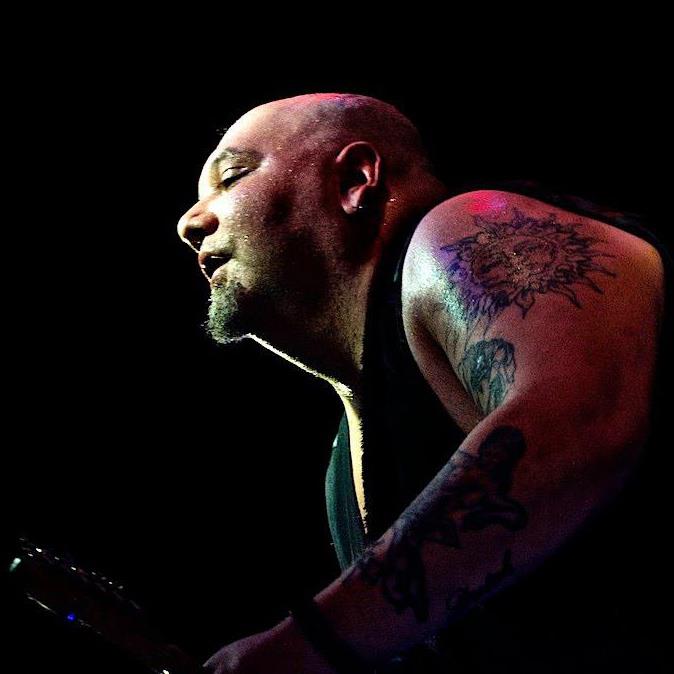
Popa Chubby (as in "pop a..." - work it out for yourself) is, by his given name, Bronx, New York-born Ted Horovitz. A colossal individual with a talent to match, and an early history that walked the sort of path from which blues music is traditionally spawned.

The blues have a long reach: in the early 1960s they arrived in the London suburbs, other English cities like Newcastle, Birmingham and Manchester, and to northern Germany, where a visiting bunch of Liverpool lads added it to their canon of influences. The blues spread from the American Deep South up the Mississippi to Chicago. They even found their way to New York City, where they ran into the teenage Horovitz.

Apparently self-raised from the age of seven, when his candy store-owning father passed away, in his teens Horovitz took, initiatlly, to the drums and then guitar, embracing the blues and classic rock of Led Zeppellin (and, I suspect, Humble Pie), the Rolling Stones, Cream and Jimi Hendrix, of whom he retains a particular passion for today. In his late teens, New York City became the fulcrum of Horovitz's life, the mid-70s punk scene in particular providing a life and even a living, and, eventually, the dependency of a lengthy heroin addiction.

"Right from the start I was taught about rock'n'roll as theatre," Horovitz says, citing a performance artist called Screaming Mad George as a heavy influence, along with the other bands appearing at legendary club CBGBs at the time, such as The Ramones, the Cramps and Richard Hell, whose band, the Voidoids, Horovitz even joined. The spirit, he says, was that "...rock'n'roll should be dangerous. Musicians like the Ramones and the Sex Pistols weren't just bands. They were a threat to society!".

Like so many of his blues heroes, however, Horovitz channelled life's very real experiences through the six strings of his guitar, emerging in 1990 as Popa Chubby, an utterly unique performer, but one who also captured the creative expression of Jimi Hendrix, the explosive chops of Stevie Ray Vaughan and the down-home raw honesty of Rory Gallagher in his prime.


By the time I came across Chubby in 1997, he already had a prolific catalogue of albums under his belt, including his debut, It's Chubby Time, which featured early favourites in the Chubby band's stage set like Sweet Goddess Of Love And Beer and Stoop Down Baby. By the time of my Tuesday morning epiphany, Popa Chubby was already established name as a purveyor of, as a Dutch magazine recently put it, "aggressive, sweaty and filthy blues".

It has taken me 15 years to finally catch up with Popa Chubby in the flesh, so to speak. For a decade and a half, fate conspired to ensure that whenever a Chubby gig was taking place somewhere I should be able to get to, something ensured I was somewhere else entirely.

So, with purpose, I made a point of being in Hamburg last Saturday night for a show that met with a Saxon welcome as enthusiastic as that which I saw on that video tape a decade and a half earlier.

Having learned his chops in the pubs of New York City, places with names like Manny's Car Wash, as well as at blues bars and festivals across the US, Fabrik in Hamburg is a comfortable fit.

A former factory, it now resembles one of those wooden-framed rural country and western dives you find throughout the American Mid-West.

Which made Saturday's audience - a mix of jet black BMW-driving corporate affluence and beer-chugging biker boys - all the more amusing to observe. The clipped, older punters nodded their heads conservatively to the raw and raucous blues the Popa Chubby Band powered through, while the biker boys merrily quaffed more brew and got on with enjoying themselves as if Oktoberfest had moved north after leaving Munich in its wake.

Looking at the 52-year-old, 300-pound, shaven-headed and ultra-tattooed Horovitz today, you could say that he still conveys the threat to society of his punk influences. But this is, still, rock'n'roll theatre. You get the sense that, just as Hulk Hogan in person will disarmingly say, "Brother, call me Terry"), there is a careful balance going on between Popa Chubby the character and Ted Horovitz the artist.

Somewhere near the surface resides a very earnest blues performer, with a repertoire spanning the blues genres - bar-room, Delta, Chicago, Texan - and throwing into the mix Bach and stunningly different version of Somewhere Over The Rainbow (covered by many as a saccharine ballad, performed here as a demonstration of fretboard virtuosity, subtlety and shade).

To demonstrate further the blues' geographic spread, from the dusty Clarksdale drawl of Robert Johnson to the Texan swing of ZZ Top, Popa Chubby's own repertoire covers much the same ground. An innovative, wah-wah-heavy take on BB King's Rock Me Baby encountered a more traditional approach to Muddy Waters' Hoochie Coochie Man.

That said, you still have to remember that this is a Bronx native playing his blues through the filter of a punk upbringing. But like Fun Loving Criminal and fellow New Yorker, Huey Morgan, there's more going on with Popa Chubby than just theatricality. His stage presence offers light and shade: one minute, a snarling Bronxite, the next a broad entertainer, dueting with guest vocalist Sari Schorr on an enjoyably chugging version of Etta James' I Just Want To Make Love To You.

With a clear love of Jimi Hendrix (what started as a set at a tribute show turned into a set of Electric Chubbyland CDs featuring the most definitive Hendrix covers I've ever heard), the Fabrik audience were treated to blistering versions of Hey Joe, Purple Haze, The Wind Cries Mary and, later into the set, a stunning version of Voodoo Chile.

The fact that the Popa Chubby Band - comprising Erik Boyd on bass and former Rollins Band drummer Simeon Cain, together with Horovitz - perfectly resembles the Jimi Hendrix Experience didn't get lost on me.

Eric Clapton, in his carefully constructed late-middle age Armani chic, Chubby is not. Nor does this man mountain, with a preposterously good gift for making a battered '66 Stratocaster sing and dance, conform to your expectations of a Bronx-raised, Jewish New Yorker. In his hands, the Strat can be either a weapon, the most delicate of instruments, or an expansive, room filling, polyphony.

15 years ago in in London I seem to recall using the word "extraordinary" an awful lot as we sat through that video tape. In my head, I kept hearing those same words all through Saturday night. And you will, too. So, if the chance comes your way, if Popa Chubby comes your way, or if you can come Popa Chubby's way, don't leave it as long as I did. Go and see the man, and enjoy a remarkable live experience.

Thursday, November 22, 2012

From Russia With Impatience

With his scruffy little beard and penchant for cheap-looking nylon leisurewear, the multi-billionaire Roman Abramovich doesn't exactly cut the image of a prototypical James Bond villain.

He may not (to my knowledge) possess a white Persian cat, which he strokes for camp and menacing effect, but like 007's nemesis, Ernst Stavro Blofeld, Abramovich is clearly capable of dispatching underlings whenever the whim takes him.

So here we are again. Another November, another dip in form, and another Chelsea manager looking for work. Roberto Di Matteo took a decent and dignified stride in his brief managerial tenure at Stamford Bridge. But from the moment he was euphemistically installed as "interim first team coach" he knew he wasn't exactly the anointed one. He may even have been another 'dead man walking', as Victim No.1, Claudio Ranieri, referred to himself.

Go back two managers, which in Chelsea years means to last March, and Abramovich had grown impatient with his bizarre gamble - football's very own Charlie Buckett, Andreas Villas-Boas - and in looking for a replacement was desperate for Barcelona's Pep Guardiola. But with the 41-year-old Catalan making clear he was, at season's end, taking a year's sabbatical in New York with his family, the unemployed Rafa Benitez was being fitted up for a temporary spell in the manager's chair.

But when Benitez threw one of his customary hissy fits at the prospect of being a mere seat warmer, Abramovich had no option but to install, quickly, the popular old boy, Di Matteo. The club's history of appointing from within has not always gone well: Ruud Gullitt and Gianluca Vialli both fell foul of Ken Bates over money, while Ray Wilkins felt the sharp end of Abramovich's sword for, it would appear, looking at the Russian the wrong way.

Di Matteo - a club hero still for scoring the fastest FA Cup Final goal after 47 seconds of the 1997 final - had been AVB's assistant, fulfilling a role similar to that Wilkins had been employed for at Carlo Ancelotti's side - a link to the club's history for both fans and players.

But in being condescendingly titled Interim First Team Coach, it was clear that Di Matteo was only installed by default.

How embarrassing, then, that he should go on and end Chelsea's desperate hunt for the European Cup, land yet another FA Cup trophy at the same time, and galvanise a fractured dressing room.

Perhaps Chelsea had to accept a moral obligation to give Di Matteo the job full-time after all that. Drop him then and Chelsea's reputation for lousy manager management would have made the club toxic for anyone else to become interested - least of all, Pep Guardiola.

Abramovich had been making overtures to Guardiola again in the run up to Di Matteo's sacking. But this obsession with landing him is turning the Russian into the greatest stalker since Max Cady came after Sam Bowden and his family. And he's done it before: so the story goes, Abramovich fell in love with football by watching AC Milan, and set about buying the club. With that not possible, he set about recreating the club by buying Chelsea and installing Andrei Schevchenko, the rossoneri's star striker, while trying to lure Carlo Ancelotti as coach,

He didn't, but then he got Jose Mourinho, and that didn't work out too badly. Or, at least, until Chelsea's results started to go "in the wrong direction", the self-same excuse given for firing Di Matteo. Like Mourinho, Di Matteo delivered silverware and good times for the club. But as soon as things started to cool off - i.e. results went against them - they were summarily fired by the itchiest trigger finger since Dirty Harry.

Abramovich, then, has a totally unrealistic level of expectation. But he also appears to lack strong leadership and footballing advice around him. There's a reason why Manchester United are the most successful football club in history - it's because they've had the same manager for 25 years, who has built, invested and reinvested in consistency and excellence. Personally I loathe the old Scottish git, Alex Ferguson, but you could never knock his record, or indeed his club's ongoing support for him.

For Chelsea, eight managers in as many years is not only inconsistent, it's an embarassment. We want success and we've had success. We want our club to be led by a dynamic manager whom we can get behind. We had that in Mourinho, we had that in Guus Hiddink, we had that in Ancelotti and we could have had that in Di Matteo.

But, from now until the end of this season (and, it is claimed, with an extension to next season if "mutually acceptable"), Chelsea will be managed by the most divisive managerial appointment it would have been possible to appoint: Benitez.


You may, already, sense some antagonism towards Benitez. That's because many Chelsea fans consider him a tactical fool, more interested in defensive formations and squad rotation than anywhere near the attractive, free-flowing attacking football Abramovich himself is said to desire.

It's also because he spent an inordinate amount of time as Liverpool manager winding up Chelsea fans and, especially, Mourinho, and then behaving like an emotionally challenged teenager whenever things went wrong. He's been out of work for two years, with only a short spell at Internazionale since leaving Liverpool. That speaks volumes.

Abramovich has, at times, treated Chelsea like a plaything. When he's pumped more than £1 billion into the club since 2004, that's his prerogative. But you wonder whether he has always had the best advice. Did the club really need a physically crocked Andrei Schevchenko, or a mentally and physically crocked Fernando Torres, each for vastly inflated transfer fees and equally inflated wages?

The problem is impulsiveness and impatience. If Roman wants a bigger yacht, he orders it. Bigger mansion? He knocks through the rest of the street. This has been the 'see it, want it' nature of his ownership of Chelsea (which isn't that dissimilar to the way many Premier League players splash the cash around). More than just an oligarch, like some emperor acquiring lands at will, he has made some ridiculously rash decisions at Chelsea.

Benitez is going to have to endure six months of indifference and hostility from Chelsea fans. Even after Di Matteo had been appointed in March, Chelsea fans still let it be known at Di Matteo's first home game in charge that Benitez wasn't and would never be welcome. And so here he is, like the frog in Peter Gabriel's song Kiss That Frog "all puffed up, wanna be your king".

At any other club, the sort of success Di Matteo brought in just 167 days in charge would have had his name emblazoned above a new stand at the stadium. But not at Chelsea. This is a club which, for all you or I know, may have fired Benitez before he's even begun, and hired - and fired - his replacement.

Benitez has a rough ride ahead of him. Even if he does well, he'll be out on his ear as soon as you know it. Pep Guardiola knows it too. Just as Ancelotti was the coveted one, once, there is no life expectancy at Chelsea. And if he has any sense, Guardiola would give Chelsea one almighty swerve.

Sunday, November 4, 2012

A guide to Sicily that only mentions the you-know-what twice

© Simon Poulter 2012

Welcome to the thick of Autumn. Summer Time has officially ended and the first frozen fingers of Winter have already caused "travel misery" in Europe. Across the northern hemisphere, firewood and electricity bills are being stockpiled for the chilly weeks between now and the next hosepipe ban, which should be declared around March.

For most people who took a summer holiday this year, memories will have evaporated as fast as that small epithelial rug of peeled skin that formed beneath them. All this means it's time to start thinking about your next holiday, if for no other reason as warming autumnal spirits like a 40-tog onesie.

My own summer escape this year took place, as usual, in September, when it is still summer enough to feel summery, but with the majority of tourists back home packing children off to school. For me, it has historically been the perfect time for a summer break. Most places are still warm and sunny, hotel staff appear generally relaxed, and for the impatient, must-see attractions are unimpaired by the midsummer hordes.

© Simon Poulter 2012
Apropos of any particular reason, apart from the fact I like the place, I returned to Sicily, that flaccid rugby ball perched on the toe of Italy's stiletto-healed boot.

Extending Europe to within 100 miles of Africa, and covering an area almost the size of Belgium, Sicily ticks all the boxes an Italianophile might seek - warm sun, beautiful beaches, dramatic scenery, Mediterranean ambiance, gallons of history and a richness of culture.

September and October are also, in my view, the best months to visit the island. The searing mid-Summer heat it shares with its African neighbours will have subsided somewhat, as will the crowds that flock here from Italy's northern reaches, presumably to escape the posh Brits in their Jags and panama hats who, each summer, turn Tuscany into a branch office of Chipping Norton.

September is, according to statistics, notorious for two life-changing events: firstly, it is second only to January for divorce spikes as, clearly, two weeks of enforced togetherness is too much for some. Secondly, September is when more people decide to change job or career than at any other time in the year.

Visiting Sicily, however, is unlikely to have you to jack in your moribund accounting job to live the dream as one of the island's traffic police, parking inspectors, road standards managers, driving instructors, highway code authors or refuse collectors.

Because Sicily contains, apparently, the most under-policed highways (many of which are more pothole than road), while chronically lacking anything resembling parking skills. And for all its natural beauty, every thoroughfare on the island seems to be uniformly decorated with piles of uncollected rubbish in plastic bags.

All of which is a shame, really. Because before you've sampled the sumptuous wines, smelled the aroma of freshly grilled swordfish, or marvelled at the breathtaking landscapes that undulate throughout the Sicilian interior, you will have had your wits scared out of you by the drive to your hotel.

Once you've been on the island for 48 hours, however, you soon assimilate into the local driving habits. You may not come away feeling particularly proud, but at least you feel like you've both blended in and let your inner lunatic Italian driver out. And, on top of this, assuming you get to the hotel in one piece in the first place, Sicily will reward you with the some of the  warmest hospitality in the Mediterranean.

Sicily is an island of some complexity and more than a little mystery. It's an autonomous region of Italy, and yet at times you feel that you're not a part of Italy at all. At its narrowest, the gap between Messina and the Italian mainland is only three kilometres wide, but the distance between Italians and Sicilians is far greater.

© Simon Poulter 2012
Being large enough to consider itself a country in its own right. locals revel in their autonomy. But that independence may be more a product of the island's history of ownership, the deeds of which have been passed from one absentee landlord to another, from the Phoenicians, Carthaginians, Greeks and Romans, to the Moors, Byzantines,  Spanish and Normans.

Sicily has, obviously, long been a huge strategic prize, a large lump of half-volcanic rock jutting into the Mediterranean and well endowed agriculturally (and, latterly, in other resources worth plundering).

The Allies in 1943 chose it to mount the first major take-back in Europe against the Axis forces, with General Patton famously invading along the southern-coast. Rumours have rarely subsided since that the Mafia helped his advance. Whether that was the case or not, there are still signs of flimsy German and Italian defences dotted along the island's southern rim, from Syracuse to Agrigento, with pill boxes and bombed-out, bullet hole-ridden buildings in evidence still today.

© Simon Poulter 2012
Sicily's more interesting history, however, stretches back much further. Having first been settled by Sicanians from Iberia, Trojans from Libya and then Siculians from the Italian mainland, all so far back vinyl was still the preferred medium for recorded music, Sicily is rife with heritage, if you go looking for it.

Some of it is obvious, like the stunning, partial remains of Greek temples at Agrigento, or the eight UNESCO World Heritage of Caltagirone, Militello Val di Catania, Catania, Modica, Noto, Palazzolo, Ragusa and Scicli.

Noto, Ragusa and their provincial capital, Syracuse, are amongst the undisputed highlights of Sicily's south-eastern hump, an area rich in forests, valleys and olive and lemon orchards, as well as these stunning towns that were rebuilt to pristine condition after a massive earthquake in 1693.

© Simon Poulter 2012
Noto is breathtakingly beautiful. Situated in an area first settled during the Bronze Age, and the adminstrative centre of the Val di Noto since the Arab occupation, the city was completely flattened by the earthquake.

It was rebuilt, literally from the ground up, some 12km from the city's original location, exclusively adopting the Baroque architectural style prevalent in 17th Century Italy.

Entering via the Porta Reale, the city's main gate on its eastern side, Noto's beauty becomes instantly obvious as you wal up Vittorio Emanuele, the Church of San Francesco to your right and, further down, Piazza Municipio and the Noto town hall, Palazzo Ducezio.

Heading back out of the Val di Noto and into the Sicilian interior, you head towards the towering city of Enna. I say towering as it sits on top of a 1200-metre summit, like a giant lookout post erected in the middle of the island. Unsurprisingly, this mountain-hugging city has been besieged more than any of Sicily's much-fought over territories, and one can't help being reminded of Edoras in Peter Jackson's Lord Of The Rings, towering over the vast plains of Sicily's interior.

© Simon Poulter 2012

They say that on a clear day you can see the entire island from the citadel at the top of Enna. It's certainly possible to see across to the east and the permanently smoking chimney that its Mount Etna, Europe's only active volcano.

To the south you can make out the grim oil refinery at Gela, a much-needed employer in Sicily's increasingly impoverished southern half, but still a visual blight on the coastline. To the north you should be able to see towards the Palermo coast, but given the size of the island, it's optimistic at best to hope to see much further than the hills around Corleone. Yes, that Corleone.

Which brings me back to the Sicilian driving culture. Speed limits are, much like red lights in Amsterdam, more of a suggestion than an enforcement: the polizia stradale does exist, but like hen's teeth.

Their speed traps, too, are bafflingly predictable: see a bridge coming up? Slow down. If a pair of constables are waiting for you, they'll be doing so conspicuously, under the bridge with their Alfa's tailgate up. The officers themselves will be standing around smoking, talking animatedly and admiring their over-polished caps and sunglasses in the windows of their vehicle. As you zoom past.

However, should you find yourself driving too slowly for the tastes of a local, you'll soon know about it. Overtaking in Sicily is something of an art form, a skill that sits somewhere between using The Force and possessing the flying skills of pilots in the Red Arrows' Synchro Pair.

White lines, double white lines and no overtaking signs are mere decoration. If you are deemed to be driving too slowly, regardless of your place within or outside the speed limit, you'll be overtaken. The vehicle overtaking you will be of indeterminate age or roadworthiness, but you will be passed. This is fine, until you encounter a motorist overtaking someone else coming towards you. On a fast bend. Which you haven't yet gone round.

It's at such moments that you actively consider the possibility that those piles of rubbish everywhere are in fact crash barriers, much like the tyre wall on a Formula 1 circuit  and have been benevolently left - replete with fetid contents - to absorb the force of your hire car being forced into it by an oily-haired male wearing oversized Aviators.

Regardless of which side you choose to drive, some of Sicily's roads are truly awful. That said, there also some truly wonderful driving roads that the island's breathtaking interior, winding in and out of the hills, mountains and moors before crossing bridges that span vast, chasms of draw-dropping, Monica Belucci-cleavage depth.

Some are so high, such as the Guerrieri bridge at Modica, you see towns far below you, giving you the closest experience to flying a car short of joining Bo and Luke Duke for an afternoon out in the family ride.

It does make you wonder how a nation which, in an earlier form, developed almost half a million kilometres of roads to improve communications throughout its empire, and which turned bridge building into an art as much as an engineering skill, could now have roads in such indecent repair that you understand why even the most modest of hill villages has a small platoon of car mechanics.

The Sicilian driving experience is a decidedly clutch-testing application of all gears your car might possess. With the exception of reverse: stopping in towns rarely seems to require the application of parallel parking skills. On any street - especially those main thoroughfares that cut through each town, you pull in nose-first as soon as you see a space, and without any consideration for whoever might be behind you, or for the fact that you've left your backside out in the middle of traffic for the duration of your pitstop to grab groceries or a quick espresso. Quite why Italian drivers need any more stimulation eludes me.

These are, however, relatively minor gripes. There are worse things to complain about. Sicily is a beautiful island, and its people warm and welcoming. But it is an island being dragged increasingly into poverty.
Graphic courtesy of Business Week.

The small mountains of rubbish everywhere, while not as bad as the refuse crisis that engulfed Naples some years back, is still an unfathomable eyesore. Everywhere there are half-finished buildings, construction projects that appeared to have stopped abruptly.

It's not uncommon to see a row of shops with the skeleton of three or four stories of unbuilt apartments above them, looking for all the world like buildings shelled by heavy armour, but in reality have just suffered from a downing of tools. What - or perhaps whom - is the cause is never clear. Some blame the economy, some blame the unions, some blame the Mafia, some blame the government.

A recent Business Week article, Sicily, a Portrait of Italian Dysfunction, noted that the town of Giarre on the eastern slopes of Mount Etna today boasts 27,000 incomplete building projects - the most in Italy and the equivalent of two-and-a-half for every 100 residents.

Five years since my last visit to Sicily, and the signs of Italy's economic struggle loom large. Myriad restaurants and pizzeria that sit in every town and dotted along the highways stand empty and abandoned. Even for September, when most of the tourist trade has gone home, there is a weariness about some bar owners, as if they'd rather be closed than taking in business from the occasional visitor that calls in looking for a cheap meal.

It can be - and is - at times depressing to see Sicily like this. But if you can ignore the increasing signs of man-made shabbiness, there is so much to love about this island. What it lacks in the party spirit of the other rocks that dot the Mediterranean it more than makes up for in culture and heritage and more.

My two weeks there last September were two of the most relaxing two weeks I've ever spent on holiday. That's the magic of Sicily: if you want to go tearing about in a hire car for a couple of adrenalin-rushed weeks, it's there for you. If you just want to sit on a quiet, secluded beach, reading a book to the sound of the sea gently washing ashore, it's there for you too. Either way, you'll never get bored.

© Simon Poulter 2012

Saturday, October 27, 2012

We've been expecting you - Skyfall reviewed


I shouldn't have been, at my age, but I was giddy. Like a child on Christmas morning. I was even queuing an hour before kickoff, but then when I saw what passes for queuing in Paris, I was wise to be early.

A packed cinema served to remind, if a reminder was needed, that this wasn't just an opening night screening but part of a global event involving a cinema marque as magnetic, as universally understood, and as powerful as any of the brands who pay handsomely to have their wares displayed within.

11 months since a London press conference confirmed the production of 'Bond 23', I found myself in an aggressive scrum anxiously squeezing through the single set of doors of a Champs-Élysées auditorium for, what is appropriately named in French, a séance of Skyfall.

In principle, a 23rd of anything doesn't sound good. 23rd helping of tiramisu? 23rd series of Celebrity Big Brother? Now That's What I Call Music 23? You wouldn't willingly stand in line to watch a 23rd outing of Police Academy or the Twilight franchises, none of which should ever be allowed out of the single digits.

Bond has, however, proven the exception to the rule, quite rightly reaching 23 instalments in half a century by doing 'Bond' better than anyone or anything else, on average earning more than $500 million a film. Something it is still doing after 50 years.

Bond has seen off the imitations like The Man From U.N.C.L.E. and Matt Helm, and spoofs like Get Smart, Austin Powers and Johnny English. While no imitations, the first three adaptations of Len Deighton's Harry Palmer novels, starring Michael Caine as Harry Palmer, provided an antidote to Bond, while Jason Bourne has, since, come along to inform Bond how he should appear in the post-9/11 age.

Bond has proven indestructible, onscreen and off. Not even the MGM studio's serious financial troubles proved fatal. But when 'Bond 23' was announced just 51 weeks ago, the talk was of what a Bond directed by a 'serious' actors' director like Sam Mendes would end up like. The suggestion was that it could be a dour, thesp-fest, restrained by both budget limitations and a director not known for action on the scale (both in terms of expectation and execution) of 007.

When producers later announced the title, Skyfall, there was further consternation, mixed with curiosity. If the film stank, critics and headline writers would be gifted variations on "Awfull". And with a cast bringing Daniel Craig and Dame Judi Dench together with Javier Bardem, Ralph Fiennes and Albert Finney, and the ever-so slight disappointment of Quantum Of Solace in the not-too distant past, a lot would be resting on Mendes' shoulders. An awful lot.

Quantum was, scriptwise, a blip. But despite its lack of narrative, and an over-reliance on the Vesper Lynd revenge arc, it was still a good Bond, and a great, modern spy thriller (and there are others in the series that you could aim harsher criticism at - Die Another Day comes straight to mind...).

So, Skyfall. It is good. Exceptionally good. It has been talked of as the best yet. Maybe. But it is very good. In fact, the last time I came out of a cinema that exhilarated I'd just seen Christian Bale and Heath Ledger pitted against each other in The Dark Knight. Yes, that good.


Without revealing anything you haven't read already, there is so much to admire in this film. Stuff that just puts a smile on your face in near-incredulity at moments you've just seen. Firstly, Skyfall feels like a new kind of Bond film, and that has everything to do with Mendes.

'New' usually unnerves Bond fans - remember when the idea of a blond Bond had the fanboys up in arms? The Daniel Craig era has been notably different from its predecessors - mostly bereft of gadgets and an avoidance of epic final battle scenes in hollowed-out volcanos and submarine-swallowing oil tankers.

Skyfall seems scaled down: the "exotic" locations are still there - like Istanbul and Shanghai  - but  plot-pivotal scenes in Scotland and, for probably the first time in 50 years, a London-centricity, the story has more to do with Bond and M's respective histories than carousing gratuitously from destination to destination.

There is, as a result, a strong parallel to The Bourne Ultimatum, and not just the appearance of Albert Finney. Amid the action, Skyfall takes us into M and Bond's past, with ultra-camp villain Javier Bardem as the tour's brilliant guide. It's tempting to compare his Silva to Heath Ledger's Joker, though for pure psychopathic terror, the latter would win on points.


Mendes has a wonderful sense of photography. His Road To Perdition won an Oscar for its cinematography, and it is noticeable how rich the imagery in Skyfall is, using colour, light and artistic composition in a manner you don't expect in an action movie. Scenes in Shanghai, for example, reminded me of Wong Kar-wai's My Blueberry Nights. Not the normal reference point for some camp old spy dust-up.

But, don't worry. This is still a Bond film. The opening scene is breathtaking, probably the best Bond opening scene ever. At its end, as the screen fades into the title sequence and Adele's dreary theme song (the only real disappointment of the film), I actually felt that I'd just seen an entire film in its own right. I could understand how this scene took two months to shoot in Istanbul. It is simply stunning.

There was something oddly theatre-like about Skyfall, in so far as you felt you were watching a series of filmed acts from a play, such was the temptation to applaud certain scenes at their conclusion. Indeed, the appearance of Bond's Aston Martin DB5 prompted spontaneous applause from my fellow Parisian patrons. A lovely moment.

Skyfall fulfills every expectation. Daniel Craig has warmed into the Bond role nicely. This his third. Remember Connery in Goldfinger. While Craig will never have Connery's balance of charm and brawn, but he is still miles above most of the other Bond actors, and Skyfall

"Men want to be him, women want to be with him" runs the usual journalistic cliche. Craig displays more vulnerability than any previous Bond but, that aside, the formula has changed all that much. The haircuts, tailoring, cars and budgets may have changed over the last 50 years, but fundamentally James Bond on screen is still the same character who first appeared two weeks before the Cuban missile crisis  erupted.


Around him, the supporting cast has been allowed to evolve. Dame Judi Dench continues to play M with stern dryness befitting of the character's seniority, though the humour between M and Bond is cleverer by far than in the days of Bernard Lee and the three Bonds who served under him (Connery, Lazenby and Moore).

Indeed, the jokes in Skyfall are, rather than the sometime crass affairs of Bonds past, delightfully weighted. Encounters between Bond and Q have always been the main source of laughs, and in Skyfall, the first meeting between Craig and his Q (Ben Whishaw) is superbly unforced, like a number of knowing gags throughout the entire film, suitably self-depreciating in the manner we Brits revel in.

When you audit Skyfall it checks more or less all Bond boxes. There are gadgets, there are girls (the excellent Naomie Harris and Bérénice Marlohe returning 007 to the traditionally un-PC habits of being somewhat discarding of his conquests) and there is villainy and suspense. Listed like that, I know, could be the formulaic description of any action franchise produced to order by studio marketing executives.

Bond may be like be a simple, anyone-can-do-it recipe - like Spaghetti Bolognese (onions, garlic, celery, carrots minced beef, can of tomatoes, oregano, salt and pepper served over spaghetti), but there is finesse in the cooking process that makes a Terence Young Bond subtly different from a John Glen Bond. This Sam Mendes Bond is different once again. And it is utterly, utterly brilliant. And worth queuing up for a second time. At the very least.


Thursday, October 25, 2012

A big deal - in celebration of James Bond theme music

When you're a child everything lacks the correct perspective. That is why Marge Simpson has a huge blue ceiling-dusting beehive: because to The Simpsons' creator Matt Groening that's what his mother's hair looked like from the floor-height perspective of being a small boy.

When I was a child, small deals were big deals. Like, for example, the mother of the bass player in Mud worked in my local Sainsbury's. Or that Sally James from Tiswas lived in the area (just Google her...). The Eurovision Song Contest was another big deal, along with who won It's A Knockout and its mad continental cousin, Jeux Sans Frontières.


Doctor Who was - and, I believe, still is - a very big deal indeed. The 'appointment' of a new Doctor (yes, pedants, I know he's "regenerated", but let's live in the real world, eh?") was an enormous deal. But for me, the grand daddio of big deals is, was and always will be Bond, James Bond.

From the first time I saw clips of the Live And Let Die boat chase on Michael Rodd's groundbreaking movie quiz Screen Test, I knew Bond was going to be a big deal for me.

It was, though, a while before I actually saw a Bond film all the way through. This was the era when children actually went to bed at bedtime, and not just slope off to watch TV on their own set (in our house "the television" referred to just that - a single, living room television).

Today Bond films are available to watch at anytime on DVD or Blu-ray Disc, but then, the premiere of a Bond movie on TV was an event, and an evening event at that. As a result, I'd be lucky to watch up until the first ad break before being dispatched upstairs. My, them '70s were harsh...

Thus, the first Bond movie I saw at the cinema was The Spy Who Loved Me in July 1977. This was my tenth year, and with Star Wars also coming out that summer, it was my first immersion in proper cinema (for the record, school holiday visits to see Disney's Bedknobs & Broomsticks and Herbie Rides Again did not constitute the all-senses assault cinematic experience).

Being PI (pre-Internet), too, cinematic big deals were different. Films were marketed by tie-in toys and special edition cereal packets. Movie 'buzz' was something within the film industry, not gossip inside any old Starbucks. The Bond films, however, were - to me at least - a breed apart (and still are). Their original producers, Albert "Cubby" Broccoli and Harry Saltzman, developed their own formula for hyping up a new Bond film, and it was built around creating the same expectation each time - starting with the film before ("James Bond will return in...").

Firstly, fans would get excited about the film's opening scene. Since Dr No, released 50 years ago, a Bond movie must have it's opening 'gag', a scene that either informs the remainder of the film, or at least gets it underway with a spectacular stunt.

In the case of The Spy Who Loved Me, it was Bond being chased off a mountain by Russians angry that he'd just been shagging Ringo Starr's wife (long story). This culminated in one of the most famous stunts in film history, the ski jump by stuntman Rick Sylvester (filling in for Roger Moore) who releases a Union Jack parachute and lands to safety.

Secondly, the opening gag must dissolve into an oblique title sequence by Maurice Binder, in which silhouettes of naked women float about like cruising mermaids around the apparent silhouette of a dinner-suited man carrying a gun, which he fires, wiping into the first actual scene of the movie.

That Binder more or less repeated the same sequence each time is eclipsed by the third most vital element, one which overshadows everything else at this stage of the film and, to be honest, continues to fire debate and open argument still, 50 years after the first time you heard the words "the name's Bond, James Bond".

I am, of course, talking about The Bond Song. It is so famous, so redolent, so important, that it even has its own proper noun. Because The Bond Song is a big deal. And it began with The Bond Theme, Monty Norman's fabulous string and brass arrangement first heard over the opening credits of Dr No and featuring one of the most famous guitar riffs in history, played by Worcester Park, Surrey-born session musician Vic Flick. With his Paragon Deluxe guitar plugged into a Vox AC15 amp, Flick allowed the sound to bleed into adjacent, open microphones, creating that distinct, reverbed twang. He  received a one-off fee of £6 in the summer of 1962 for the session.

Since then, the Bond song has evolved, and has become a genre in its own right. That distinctive chord progression of the string section can be performed anywhere on its own, and people will still instantly think 'Bond'. Over the years, composer John Barry (and more recently, his 'heir' David Arnold) have, mostly, kept the Bond theme within certain parameters - sweeping strings and a strong feeling of glamour, excitement and danger.


Then there's the choice of performer. This IS a big deal. The early, Sean Connery films not only benefitted from great, detail- and style-minded directors like Terence Young, Guy Hamilton and Lewis Gilbert, but also their choice of theme songs and their singers: Matt Monro (From Russia With Love), Shirley Bassey (Goldfinger and Diamonds Are Forever), Tom Jones (Thunderball) or Nancy Sinatra (You Only Live Twice).

These remain - for me, at least - the quintessential Bond theme songs. With Roger Moore taking over the title role from Connery (via George Lazenby), the Bond franchise welcomed the 1970s with a change of musical direction, and Paul McCartney and Wings'  Live And Let Die. It's still a great song, with its switching of tempos from reggae to rock making it a nightmare to drive to. But then it was the first time the Bond people took a contemporary approach - something that hasn't always been a success since.

"Writing a James Bond song is a tough assignment, I should know - I've co-written one," says Sean Hannam, who when not working as a journalist is a DJ and musician. Sean is a passionate Bond fan, but equally passionate about the traditions of Bond - especially its music.

"Four years ago, after watching Quantum of Solace, I and my singer/songwriter friend Matt Hill, who records as Quiet Loner, decided to embark on a mission," Sean recalls. Together with arranger and studio wizard Will Dobson ("our very own Q!"), they set about writing their own contribution to the canon of Bond themes.

Sean explains that they'd been bitterly disappointed by the number of poor songs in recent Bond movies: "Like, for example, Jack White and Alicia Keys' blustering and bluesy Another Way To Die, which played over the opening credits of Quantum. We thought we could do much better."

Sean Hannam, Matt Hill and their studio 'Q', Will Dobson
"We went back to Ian Fleming for our inspiration - always a good place to start," Sean recalls. "Firstly, we chose the title, The Property of a Lady, from a [Ian] Fleming short story of the same name. Matt and I were attracted to the various connotations of the title: who is the lady? Could it be the Queen, could it be 'M', as portrayed by Dame Judi Dench, or could it refer to Bond himself, being the property of a lady?

"With this in mind, I penned a suitable lyric. I wanted to capture the feel of an old Bond song like Goldfinger - which is still the best Bond song by far -  but to also make it sound relevant to [Daniel] Craig's new era of 007. I thought my words should mix the camp rhymes of Goldfinger's lyricists Leslie Bricusse and Anthony Newley, but with a touch of darkness and revenge."


The end result incorporated classic Bond song words like "danger" and "stranger'", as well as references to the deaths of Vesper Lynd in Casino Royale and Bond's new bride Tracy in On Her Majesty's Secret Service ("...those that he's loved have all withered and died...").

"If that wasn't enough to please Bond fans," Sean adds, "I also threw in some classic 007 imagery and themes –  exotic locations, girls, fire, revenge, death and destruction."


Hannam and Hill took the view that even when a new Bond actor takes over, or a new director joins the franchise, they should bring something fresh, but also tip a trilby to the past. "Judging by the reviews of Skyfall [which opens tomorrow] it manages to do this very well," Sean feels. "It pays homage to the iconic 007 films of the '60s, but also manages to play around with the formula, subverting the audience's expectations, but, ultimately, creating a very modern movie that's dark, exciting and daring, but that still captures the best of Bond."

That, Sean feels, should apply to the music as well. "It's a difficult trick to pull off. Adele's Skyfall song just sounds like one of her bland, dinner party background ballads that's been swathed in moody strings and big brass to give it some added drama. It simply isn't sexy or dangerous enough to be a Bond song. It so dearly wants to be considered as a classic, Bassey-style Bond anthem,  but, instead, it's as if someone's dressed up 007 in a cheap tuxedo from Primark."

Tough words indeed, but indicative of just how precious a film franchise Bond is. Remember when they announced Daniel Craig? Outcry that 007 - the quintessential tall, dark and handsome action hero - would be played by a shortish blond Liverpudlian. Most people now consider him to be the best Bond since Sean Connery...

When David Arnold took over from the late John Barry to score Tomorrow Never Dies, the self-confessed Bond fan had already shown form with his theme song featuring Björk for the thriller Play Dead, as well as his excellent compilation Shaken And Stirred, featuring covers of Bond themes by David McAlmont, Pulp, Propellerheads and others. It was clear that Arnold already had the formula.

And yet, the Bond producers have continued to tamper. "Madonna's Die Another Day attempted to drag Bond onto the dance floor, but ended up as a clunky orchestral-techno hybrid monstrosity," says Sean Hannam. All in all, Die Another Day was not 007's finest moment, given the CGI horror that it largely was.

The trouble with Bond theme songs is that, when poor, they act as a lightning rod of criticism for the film itself. Sheryl Crow's Tomorrow Never Dies was the wrong voice on the right song in a mostly forgettable Bond outing. Ditto Garbage on The World Is Not Enough. You have to go back to Goldeneye - written by U2's Bono and The Edge, and sung by Tina Turner - to get a half-decent, on-formula Bond theme.

Sean comments that while Soundgarden's Chris Cornell's You Know My Name from Casino Royale tried to toughen up the Bond sound to coincide with newcomer Daniel Craig's portrayal of 007, it also failed. "Failed miserably," says Sean. "It's an instantly forgettable soft rock song that lacks style, charm or excitement."

As we now know, Sean and Matt's Bond lost out to Adele for Skyfall. "If only we'd had the budget to be able to afford a full orchestra," he says. "Matt's vocals were definitely channeling crooner Matt Monro, who sang the theme to From Russia With Love  - my favourite Bond film."

Adele was a strong early choice for Skyfall. Love her or loathe her, her melodramatic balladeering, not to mention the phenomenal global success of her 19 and 21 albums more or less made her a shoe-in. There have been precedents: Lulu recorded The Man With The Golden Gun at the height of her 70s fame, while Carly Simon's Marvin Hamlisch/Carole Bayer Sager-penned Nobody Does It Better came out while she was the darling of the LA music scene. It's also a brilliant Bond song, fitting for the flared trousered, eyebrow-raising, scenery chewing lounge lizard era of Roger Moore.


So, who for Bond 24? Let me offer a surprise choice: Liam Gallagher. Just listen to I'm Outta Time from the final Oasis album Dig Out Your Soul. Written by the junior Gallagher, it had all the hallmarks of a classic Bond theme, even if from the last person you'd associate with anything about Bond.

Then there is Muse. "Forget them," says Sean bluntly. "They seem to be the popular choice with the general public at the moment, but their histrionic, prog-rock shrieking is far too over-the-top and cringe-worthy." I fully agree.

And so a suggestion Sean and I also agree upon wholeheartedly: Richard Hawley. "He’d be a dead cert to compose a heartbreaking ballad to rival Louis Armstrong's We Have All The Time In The World from On Her Majesty’s Secret Service," says Sean, who could see the Yorkshire crooner produce something dark, moody and dramatic to go with the Craig-era Bond. "What if he partnered with fellow Sheffielder Alex Turner, whose Arctic Monkeys side project, Last Shadow Puppets, are perfect at crafting swooning, cinematic soundtracks with twangy guitars and lush, orchestral backing?"

The name that comes back again and again, however, is the singer who has sung on three Bond songs and is probably the most associated with the form: Shirley Bassey. "For Skyfall," says Sean, "I think Shirley Bassey should have been invited back to belt out a new song, ideally penned by composer and arranger David Arnold and veteran lyricist Don Black.

"An Arnold, Black and Bassey collaboration would've been a fitting tribute to the 50th anniversary of the 007 movies," adds Sean, "and to John Barry, who created the Bond sound, but, sadly, died in 2011. Black once said in a TV interview that he thought Shirley should sing all the Bond songs. He's got a point. When it comes to Bond songs, nobody does it better!"


Sunday, October 21, 2012

Say it isn't So - Gabriel's landmark turns 25(ish)

Such is Peter Gabriel's habitual delinquency that even his 25th anniversary release of So has slipped by a year.

He has a good excuse. Well, good excuses - namely the tale end of his New Blood project, along with the usual disparate interests and causes that have a habit of slowing his progress like weeds dragging a boat.

But, finally, So 25 is here, in a number of commemorative forms, from the basic CD reissued through a treasure chest of a box set, more of which in a moment.

Let's first consider the original form, released in the late spring of 1986, just as I was taking my A-levels. It was an album that turned Gabriel into a superstar, transforming him from that bloke who'd had slightly eccentric hits like Solsbury Hill, Games Without Frontiers and Shock The Monkey, and who, further back, had worn a variety of bizarre costumes as lead singer of Genesis Mark I.

The path to So had taken many forms. His first four title-free solo albums (later named by their Hipgnosis cover art to help confused Americans), were each like pieces of molten metal being banged into shape by a master blacksmith, perpetually hammering to find the optimum form.


The first ('Car'), released two years after leaving Genesis, was the freedom album, symbolised by Solsbury Hill (about leaving Genesis, the band he'd formed at school) and its sibling Excuse Me, a cod-barbership number which begins: "Excuse me/You're wearing out my joie de vie/Grabbing those good years again/I want to be alone".

The second ('Scratch') in 1978 had an edgier feel, thanks to Robert Fripp's production and staffing by predominantly American musicians, including Bruce Springsteen's keyboard player Roy Bittan, which fused an odd hybrid of punk and West Coast rock. For the third ('Melt'), Gabriel changed direction once more as he embraced his own version of synth-rock New Wave with guest spots by Kate Bush, Paul Weller (guitar on And Through The Wire) and former bandmate Phil Collins on cymbals-free drums (thus giving birth to the gated reverb sound that would become his signature as a superstar in his own right).

This third album, more experimental and slightly less accessible than the first two ended with Biko, the fist-pumping anthem about South African civil rights leader Steve Biko, and arguably the first example of a western rock star embracing what we now call "world music". This continued on Gabriel's fourth solo album ('Security'), which opened with the tribal drumming of The Rhythm Of The Heat and contained the story of Native American mysticism, San Jacinto (beautifully rearranged for orchestra on New Blood, Gabriel's recent symphonic retread).

Three years, a live album of the fourth album's tour, and the soundtrack to Alan Parker's Birdy had elapsed by the time Gabriel started work on So. Incredibly he'd been a recording artist for almost 20 years, having cut his first album with Genesis while at Charterhouse as he still harboured ambitions of being a drummer and soul singer (he was a passionate Otis Redding fan, a feature that lay largely publicly suppressed until So came along with the obvious Stax pastiche, Sledgehammer).

The years separating So from its predecessors may have been decades. With the assistance of Daniel Lanois, the Canadian who'd just produced U2's Under A Blood Red Sky with Brian Eno, Gabriel and an eclectic cast (including Stewart Copeland, Otis Redding's trumpeter Wayne Jackson and other members of The Memphis Horns, Senegalese superstar Youssou N'Dour, Simple Minds' Jim Kerr, performance artist Laurie Anderson and Chic guitarist Nile Rodgers), Gabriel stepped out of the artistically-worthy but commercially flimsy shadows to become a proper, breakfast telly-patronising star, especially in America.

So wasn't, however, some crude attempt to go pop. It was an album made, still, on Gabriel's trademark awkward terms, but musically it took the singer further towards layered songwriting and recording than he'd ever attempted before.


Armed with new toys like the Fairlight CMI sampling keyboard, Gabriel indulged his laborious passion for texturing and, in particular, rhythm, which dated back to his schoolboy soul band drumming. Coupled to a voracious appetite for (and consumption of) oddballstories, the more obscure the better, and you had the makings of the most multi-dimensional album Peter Gabriel had recorded to date.

So's opener, Red Rain depicted a vision of vulnerability, though many have wrongly assumed it's a direct comment on the ecology. 26 years on, it is still powerful, even more so live, and its recent orchestral treatment by Gabriel for the New Blood project gave it an even greater sense of the epic.

For an album written and recorded in 1985, amid yuppies and the decadent red braces and puffball skirts of Thatcher's supposedly loadsamoney Britain, Don't Give Up was as caustic a song about Thatcherism's cause and effect as Elvis Costello's Shipbuilding had been about the leaderene's Falklands adventure. Featuring Kate Bush - whose memorable embrace with Gabriel for the song's video led to tabloid rumours of the two being an item - Don't Give Up had been inspired by the Great Depression, hence the 1930s gospel feel. It is said people contemplating suicide changed their minds thanks to the song's sentiment. Its poignancy touches still, today.

Big Time was an oddly prescient swipe at rock superstar egotism, caricaturing pop success on an album that would turn Gabriel into a major star himself. So, he has said, "was the end of the idea of me being a sort of cult artist at the fringes of the mainstream, especially in America. There wasn’t an option to go and hide in the shadows any more."

The album reached number one in seven countries including the UK, and went on to sell five million copies in the US alone. It regularly shows up in lists of the best albums of all time. Part of this success is down to one song in particular.

Even he'd wanted to, Sledgehammer would ensure his place in pop history forever. With its unreservedly simplistic Memphis soul sound, and borderline BBC ban-sexuality (remember, the BBC were still blacklisting records in 1986 for the slightest hint of deviance. Shame they weren't applying the same prurience to their presenters....) Sledgehammer blasted Gabriel onto charts around the world.

It gave Gabriel his first ever US No.1 single (which was, ironically, later knocked off the top by his old band's Invisible Touch), helped significantly by the stop-frame promo made by a then-unknown animator from Bristol called Nick Park. Today, Sledgehammer is still the most-screened video in MTV history.


Sledgehammer and Big Time may have been the album's tempo tracks, but Gabriel's interest in the obscure was never far away. Mercy Street took So into a colder space than Sledgehammer and Big Time, focusing on the story of troubled poet Anne Sexton, and her struggles against depression and suicide. We Do What We're Told (Milgram's 37), in a similar vein, recounted the controversial electro-shock obedience experiments by Yale scientist Stanley Milgram, while This Is The Picture (Excellent Birds), a collaboration between Gabriel and performance artist Laurie Anderson, took the album into Gabriel's occasionally abstruse areas of departure.

For the most part, however, everything about So seemed to say "different" and "new". Even the choice of a simple, black and white cover shot by Dutch photographer Anton Corbijn suggested a clean approach for the 36-year-old Gabriel. As his old band Genesis had found, making the transition from mythical creatures and Victorian whimsy to saying "I love you" in a song hadn't been easy for these former English public schoolboys and their somewhat repressed backgrounds that had been liberated by The Beatles, the Stones and Motown.


Having seemingly avoided emotion on any of his previous works, Gabriel ended So with one of the 1980s' most uplifting songs about romance, In Your Eyes. Combining jaunty, danceable African rhythms with a backing chorus featuring Youssou N'Dour, it coincided with Paul Simon's Graceland (released just three months after So) as one of the first mainstream pop records to reach into Africa for inspiration - and be a hit. Gabriel had been involved in the burgeoning World Music scene for some time, having launched WOMAD in 1982 (nearly bankrupting him in the process) to provide a showcase for music from the Middle East, Asia, Africa and Latin America.

In Your Eyes became a bigger hit thanks to Cameron Crowe's rom-com Say Anything. During a pivotal scene, in which John Cusack holds up a boombox to Ione Skye's bedroom, he plays In Your Eyes. In America, at least, it remains a song to fall in love to.

A couple of weeks ago, Gabriel's Back To Front tour of the US to celebrate So's anniversary came to the Hollywood Bowl in Los Angeles, during which the performance of In Your Eyes prompted a cameo from Cusack...and his music machine...

What makes So remarkable, 27 years after it was written and recorded, is just how timeless it sounds. So much from the 1980s has dated; rock songs with over-chorused guitars, dance songs with fake brass as if played on a My First Botempi keyboard, and the sheer party streamer fakery of it all. Sledgehammer had real, Stax horns on it; Don't Give Up had a genuinely supportive warmth to it; and In Your Eyes remains, to this day, a song to lift the spirits.

So why re-release it? Good question. With record sales in terminal decline, rock's biggest stars are plundering their libraries and exploiting the heritage appetite left-right-and-centre. Hardly a classic album can pass a major milestone anniversary without it being re-packaged, re-boxed and re-toured.

For So's slightly belated anniversary, Gabriel has produced a similar choice of packages as Pink Floyd, The Rolling Stones and others have done with their reissues, offering a choice of remastered version of the original album, a three-CD pack containing the original plus a double live album from the So tour, or, for the über fan, the So 'immersion' box set, comprised of the remastered album, the So DNA CD - a "unique insight" into So's creation featuring bits of tracks while they were still in development, the Live in Athens 1987 DVD executive produced by Martin Scorsese, the So - Classic Albums DVD documentary, along with a high quality vinyl version of the album, a 12-inch disc containing unreleased songs, a high-definition digital download and a luxury book about the album.


The ideal Christmas gift? Maybe not for some people. Blogger Paul Sinclair recently wrote an open letter to Gabriel to complain about the lack of 5.1-channel mixes of So, amongst other absent format choices. Gabriel wrote back, at length, ending: "While I accept we may not have made all the right decisions, I do resent any implication that this is a cynical or exploitative project."

Gabriel concluded by writing: "It's something that all of us involved are proud of, and I really hope will be appreciated for what it is".

While you can debate the merits of artists going to such elaborate lengths to repackage such epoch-making albums, there is certainly something to celebrate about So. An '80s album that was of its time but hasn't aged one bit. Now, how is that so?